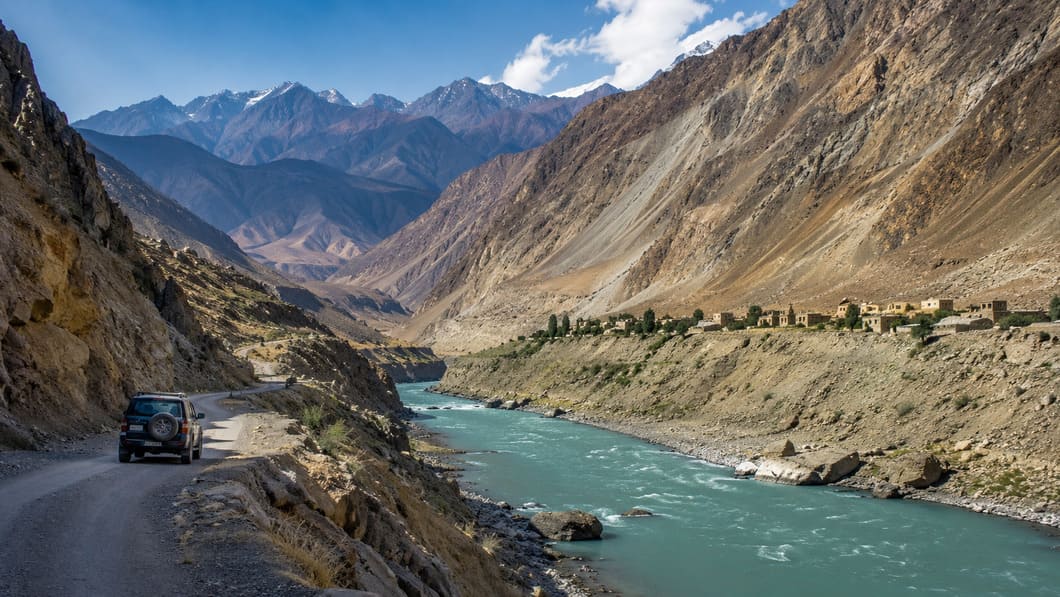
Tajikistan sits between the deserts of Central Asia and the high plateaus of the Pamirs, and its birdlife changes with altitude. In the south, the riverside forests along the Amu Darya lie at around 300–400 meters. In the Eastern Pamirs, the lakes sit above 4,000 meters. In between are mountain gorges, juniper woodland and glaciers, and each zone has its own set of species.
Between 350 and 430 bird species have been recorded in the country, depending on the source. The Central Asian Flyway passes overhead, and the country remains one of the least studied in the region for birds. For birders, that means two things: species you will not find in Europe, and a real chance that your sightings will be useful to researchers.
Why Go Birding in Tajikistan
It helps to think of the country as four habitat zones. One trip can cover several of them.
- Tugai and desert in the south: floodplain forest, reed beds and salt flats, home to desert-edge species.
- Mountain forest and gorges: walnut and maple woods and fast-flowing rivers around Dushanbe.
- Juniper woodland and cliffs: the forests and granite walls of the Fann Mountains and nearby ranges.
- The Pamir high plateau: cold lakes, stony steppe and the gravel beds of mountain rivers.
The main draw is the birds of the Pamir and Tibetan plateau. Bar-headed geese, Tibetan snowcock and ibisbill are all within reach on a road trip from the capital. In spring and autumn, migrants join the resident species, and in winter waterfowl gather in the south.
Where to See Birds in Tajikistan
Each of the five areas below can anchor a trip or slot into a longer route.
Tigrovaya Balka: Riverside Forest in the South
This nature reserve lies where the Vakhsh and Panj rivers meet to form the Amu Darya. Its name, “Tiger Ravine,” recalls the Caspian tiger, which lived in these forests until the mid-20th century. Today the reserve protects Bukhara deer and one of the last large stands of tugai forest in the region.
Birders come here for white-winged woodpecker, Turkestan tit, pallid scops owl, black francolin and common pheasant. Pygmy cormorant and red-crested pochard use the reed beds and oxbow lakes, while saxaul sparrow and Asian desert warbler live in the drier scrub. The yellow-eyed pigeon, a globally threatened species, nests in holes in old trees.
Spring and autumn are best, when migrants add to the resident list. In winter there are more ducks and cranes on the water. The reserve lies in the border zone with Afghanistan, so visits must be arranged in advance, with permits in place.
Varzob and Romit: Mountain Gorges Near Dushanbe

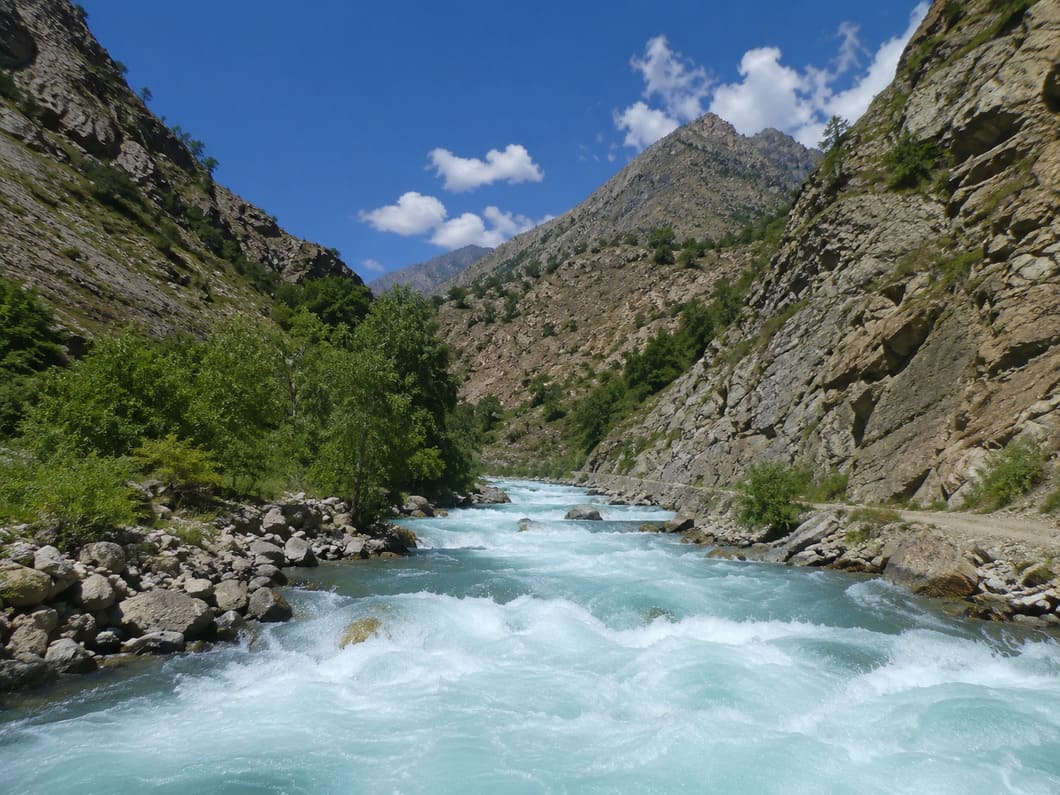
The Varzob gorges north of the capital and the Romit reserve to the east work well as day trips. Riverside woodland, rock faces and clear water hold a good variety of birds within a small area.
Dippers and blue whistling thrush feed on the rocks by the water, while white-capped redstart and little forktail work the rapids. In spring and summer, the Indian paradise flycatcher, with the male’s long white or rufous tail, appears in the riverside trees. The area makes a good introduction to the region’s birds. Start early to make the most of the cool morning hours.
The Fann Mountains and Iskanderkul
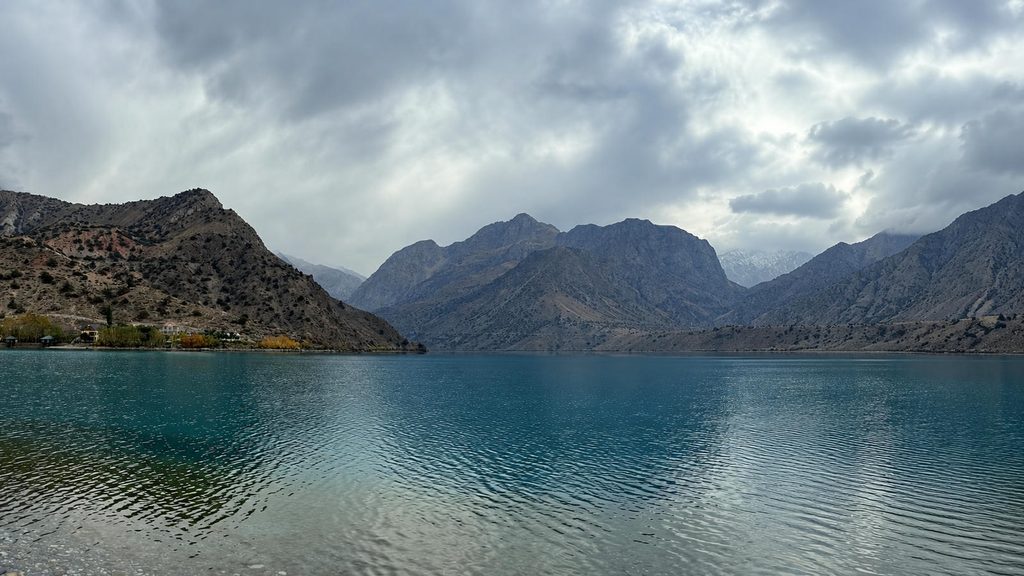
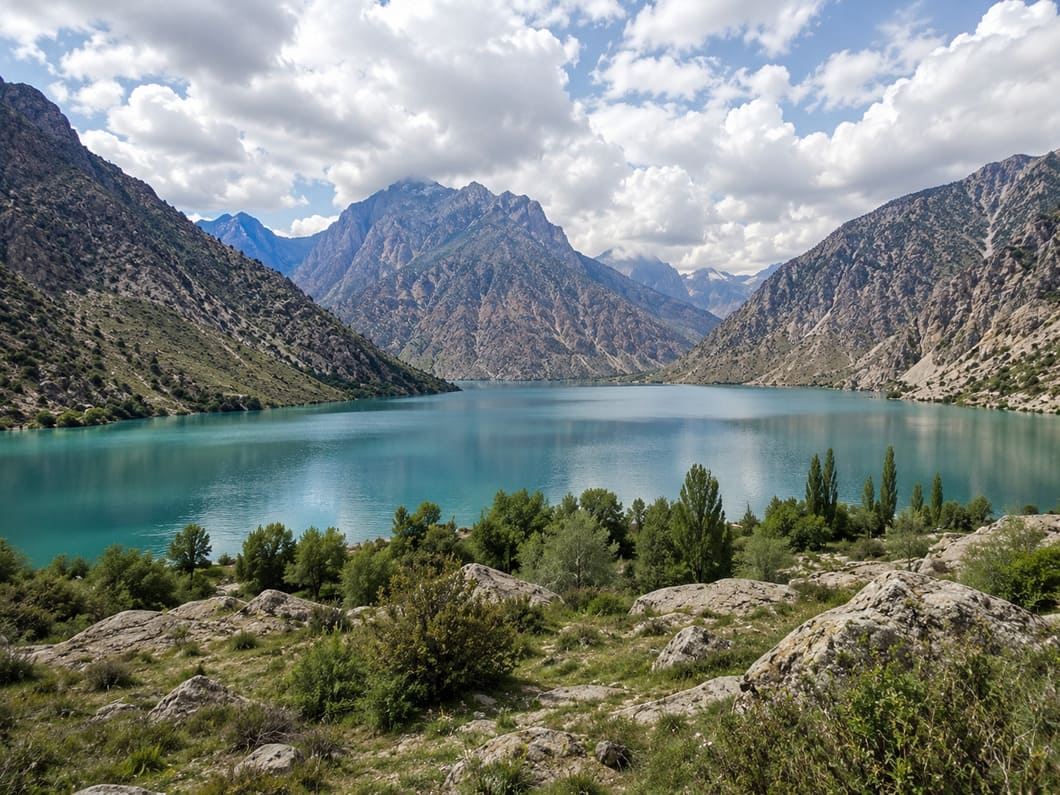
The Fann Mountains combine juniper woodland, granite walls and turquoise lakes. The bearded vulture, or lammergeier, with a wingspan close to three meters, is seen regularly over the ridges, often alongside Himalayan griffons. Himalayan snowcock call from the scree, and chukar are common on the lower slopes.
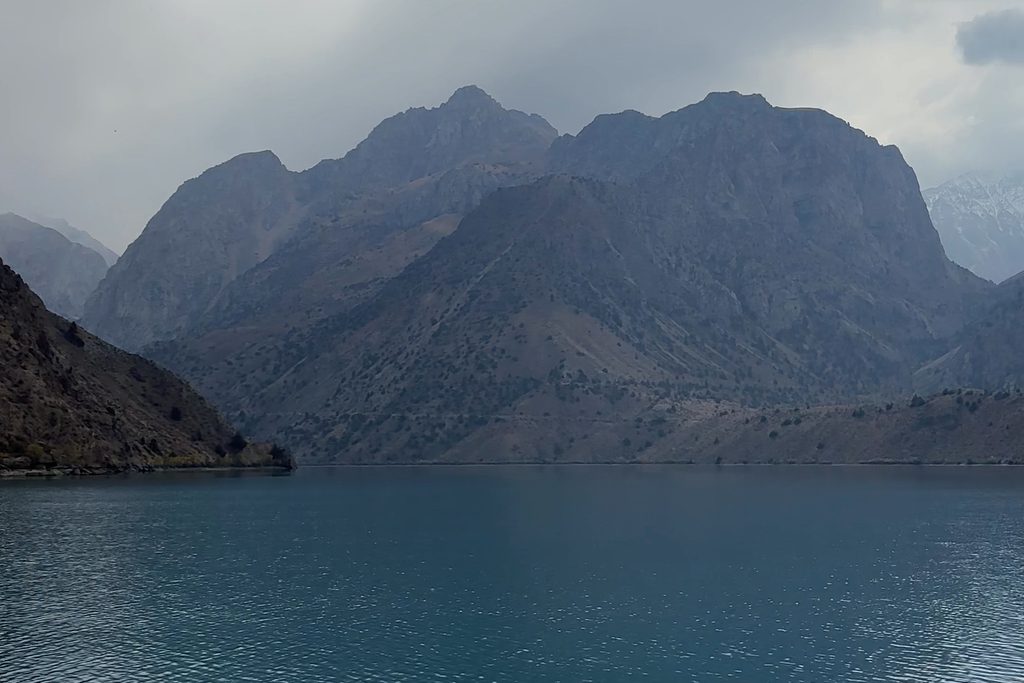
The cliffs around Lake Iskanderkul and nearby gorges are good for wallcreeper, a small gray bird that flashes crimson wings against the rock and is easy to overlook until you know what to look for. In the juniper forest, look for red-fronted serin and white-browed tit-warbler. For routes and logistics, see our Fann Mountains guide.
The Pamirs: Lake Karakul, Zorkul and the Wakhan Valley
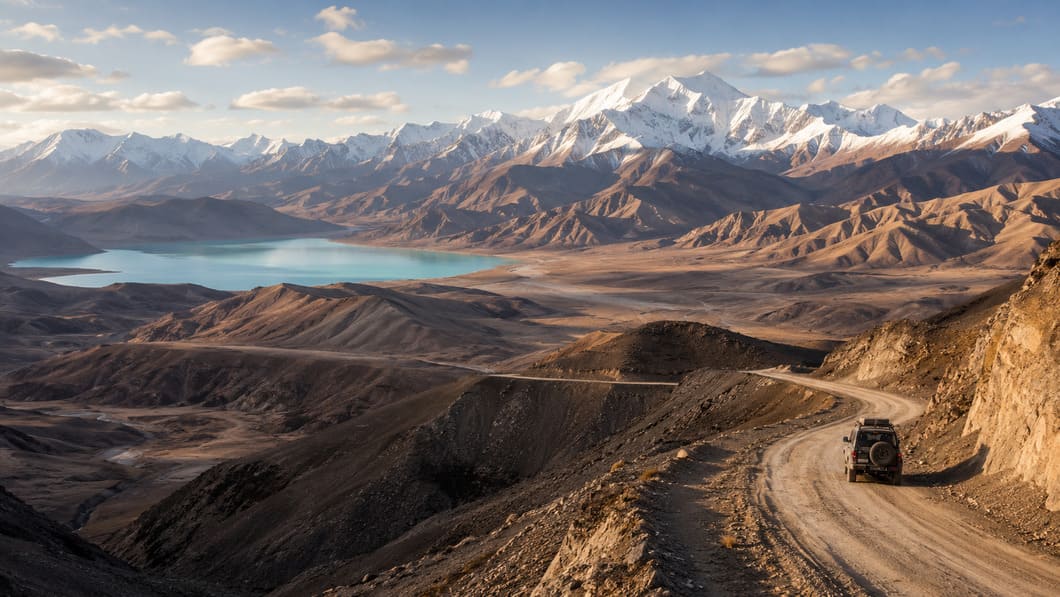
The Eastern Pamirs are the place to go for high-altitude specialties. Lake Karakul, at around 3,900 meters, is the largest lake in Tajikistan. In summer, bar-headed geese, ruddy shelduck, brown-headed gulls and lesser sand plovers breed along its shores.
Lake Zorkul, on the Afghan border, lies above 4,100 meters inside its own nature reserve. Beyond waterbirds, the area holds Tibetan and Himalayan snowcock, Tibetan sandgrouse, Brandt’s mountain finch, great rosefinch and white-winged redstart. The critically endangered sociable lapwing has been recorded here on migration.
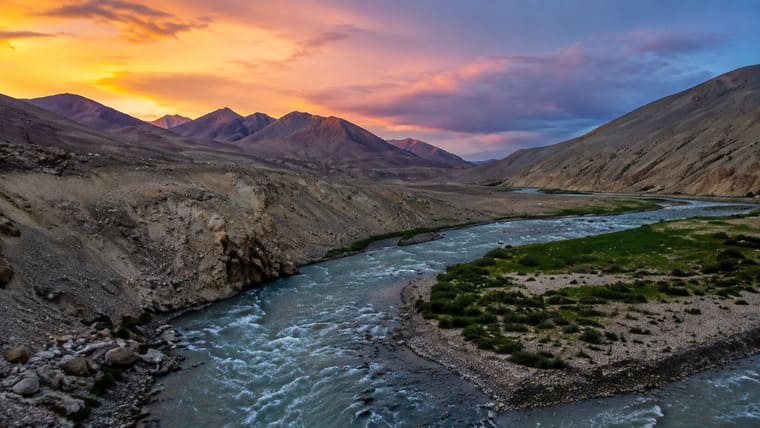
The Wakhan Valley is lower and warmer. Ibisbill, a gray shorebird with a curved red bill, feeds on the gravel bars of the Panj. In the sea buckthorn thickets along the river, experienced birders search for large-billed reed warbler, a species so poorly known that its breeding range was identified only in the last twenty years.
Altitude sets the pace of the trip. You need time to acclimatize, and most birding happens in the early morning and late afternoon.
Kayrakkum Reservoir in the North
The reservoir near Khujand is a stopover for waterbirds and shorebirds on migration and a wintering site for ducks. It fits easily into a route through Khujand, the Fergana Valley or on to Tashkent.
Tajikistan’s Nature Reserves and Wildlife
Tajikistan has several large protected areas. Tajik National Park covers most of the Eastern Pamirs and has been a UNESCO World Heritage Site since 2013. The Tigrovaya Balka, Romit, Dashtijum and Zorkul reserves each cover a different habitat, from floodplain forest to high plateau.
Mammals are reason enough to come on their own. Bukhara deer live in Tigrovaya Balka, markhor in Dashtijum, and Marco Polo sheep and marmots on the Pamir plateau. Snow leopards are rarely seen, usually in winter and with experienced trackers. In spring, wild tulips and irises cover the foothills, so a spring birding trip can double as a wildflower trip.

Best Time for Birdwatching in Tajikistan
The right season depends on altitude and target species.
- April to May: spring migration and the start of breeding. Best for the south, Tigrovaya Balka and the foothills.
- June to September: the passes and the Pamir plateau are open, and snowcock and bar-headed geese are breeding.
- September to October: autumn migration, with more activity on lakes and in the tugai.
- December to January: many mountain species move to lower ground, and waterfowl winter in the south.
For a month-by-month overview, see when to visit Tajikistan.
Combining Tajikistan with Uzbekistan and Turkmenistan
Together, the three neighbors offer mountains, riverside forest, desert and the Caspian coast. For birders, it is one of the most varied combinations in Central Asia.
Uzbekistan: Zarafshan, Nuratau and the Kyzylkum
Uzbekistan adds desert species to the list. The Zarafshan reserve near Samarkand protects tugai forest and the local Zarafshan pheasant. The Nuratau range and Lake Aydarkul combine mountains, steppe and open water. In the Kyzylkum desert, the targets are Turkestan ground jay and Asian houbara.
The Penjikent–Samarkand border crossing links Uzbekistan to the Fann Mountains in a few hours. Our Silk Road Journey already uses this crossing, and more options are listed under Uzbekistan tours.
Turkmenistan: Badkhyz, Repetek and the Caspian
The Badkhyz reserve in the south is known for pistachio woodland and birds of prey. Repetek protects classic Karakum dunes and saxaul woodland. On the Caspian coast, the Hazar reserve hosts thousands of wintering ducks, coots and flamingos.
Entry to Turkmenistan requires a letter of invitation and an accompanied itinerary, so plan this leg of the trip first. See Turkmenistan tours for program ideas.
Planning a Three-Country Route
Build the route around the season. Deserts and the Caspian work best in spring or winter, the Pamirs in summer. Allow 12–18 days for all three countries.
| Country | Area | Highlights | Season |
| Turkmenistan | Hazar, Badkhyz, Repetek | waterfowl, raptors, desert birds | winter, spring |
| Uzbekistan | Kyzylkum, Nuratau, Zarafshan | Turkestan ground jay, houbara, Zarafshan pheasant | spring, autumn |
| Tajikistan | Fann Mountains, Tigrovaya Balka | bearded vulture, wallcreeper, white-winged woodpecker | spring, autumn |
| Tajikistan | Pamirs | bar-headed goose, snowcock, ibisbill | June to September |
Permits for Birding in Tajikistan
The paperwork depends on where you go.
- Travel to the Pamirs requires a GBAO permit.
- Zorkul and Tigrovaya Balka also need a separate reserve permit.
- Areas along the Panj are part of the border zone, so routes there must be cleared in advance.
- Drones can be flown only with official permission.
Entry rules depend on your nationality, and our visa support team can help. Apply for permits several weeks before you travel.
How We Organize a Birding Trip
- A guide who knows the birds. Our guide knows the sites and the seasons, recognizes calls, and can tell you where a target species is likely to be. Learn more about our private guide service.
- Transport built around birding. 4×4 vehicles for the Pamirs and dirt roads, dawn departures, and stops whenever someone spots something. Our drivers are used to waiting two hours by a lake. Details are on the transfers page.
- Permits. We arrange the GBAO permit, reserve permits and border zone access.
We choose guesthouses close to birding sites so mornings start without a long drive, and a coordinator stays in touch throughout the trip. Ready-made programs are listed under Tajikistan tours, and we can design a route around your target species.
What to Bring
- Binoculars (8x or 10x) and a spotting scope for the Pamir lakes, where birds often stay far from shore.
- A telephoto lens if you plan to photograph.
- A field guide to the birds of Central Asia or an app to log sightings.
- Warm layers: Pamir mornings can be close to freezing even in summer.
- Sun protection and a first-aid kit suited to high altitude.
Tajikistan rewards birders at every altitude, from gorges an hour outside Dushanbe to the high lakes of the Pamirs. Plan your route around the season and your target species, and we will take care of the guide, transport and permits.