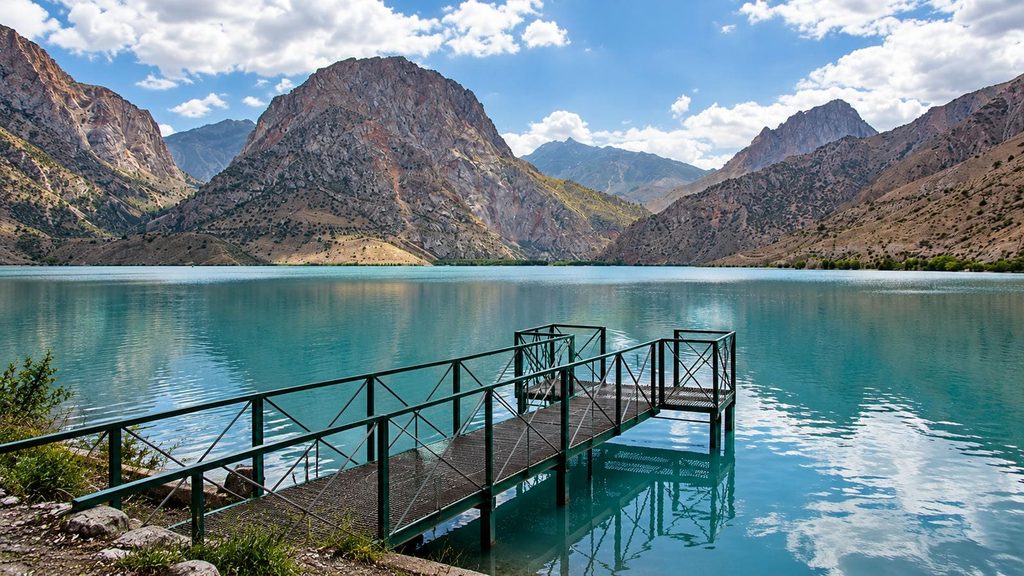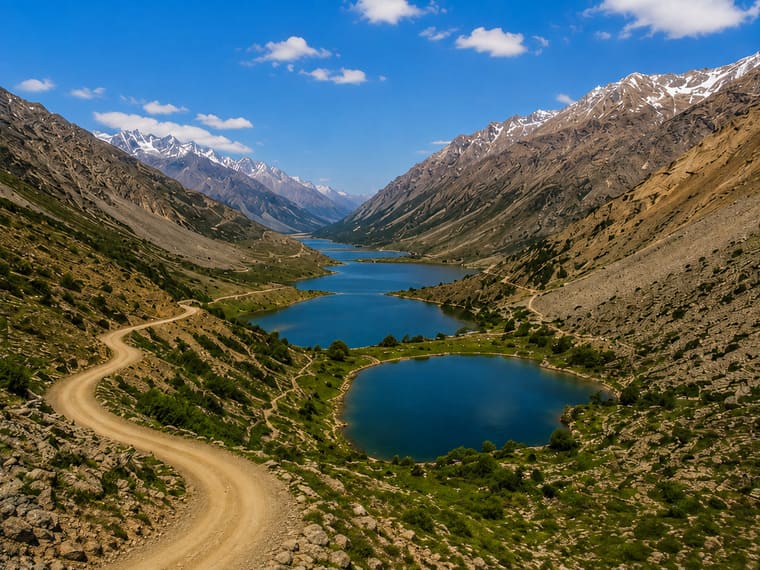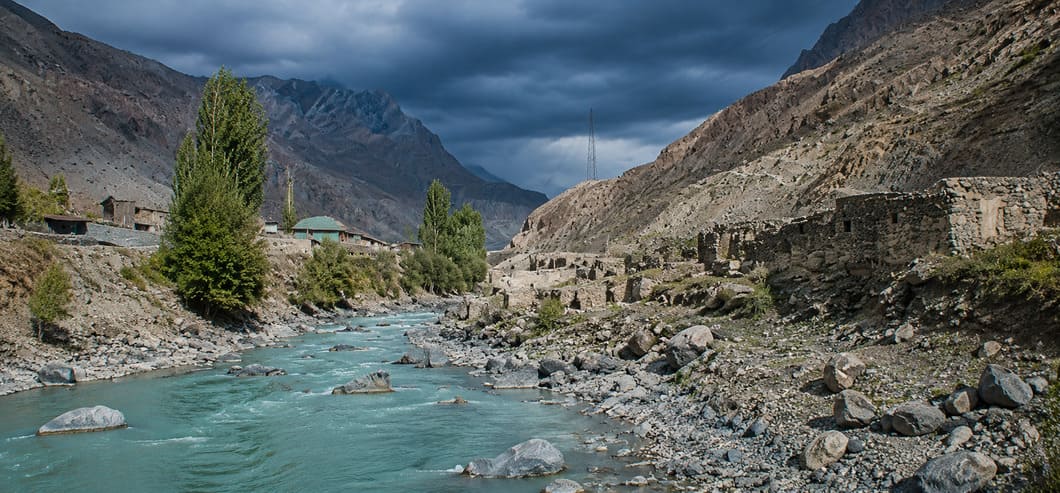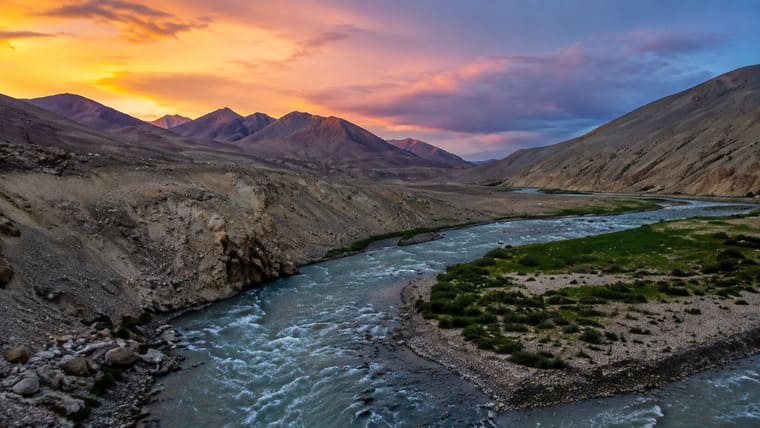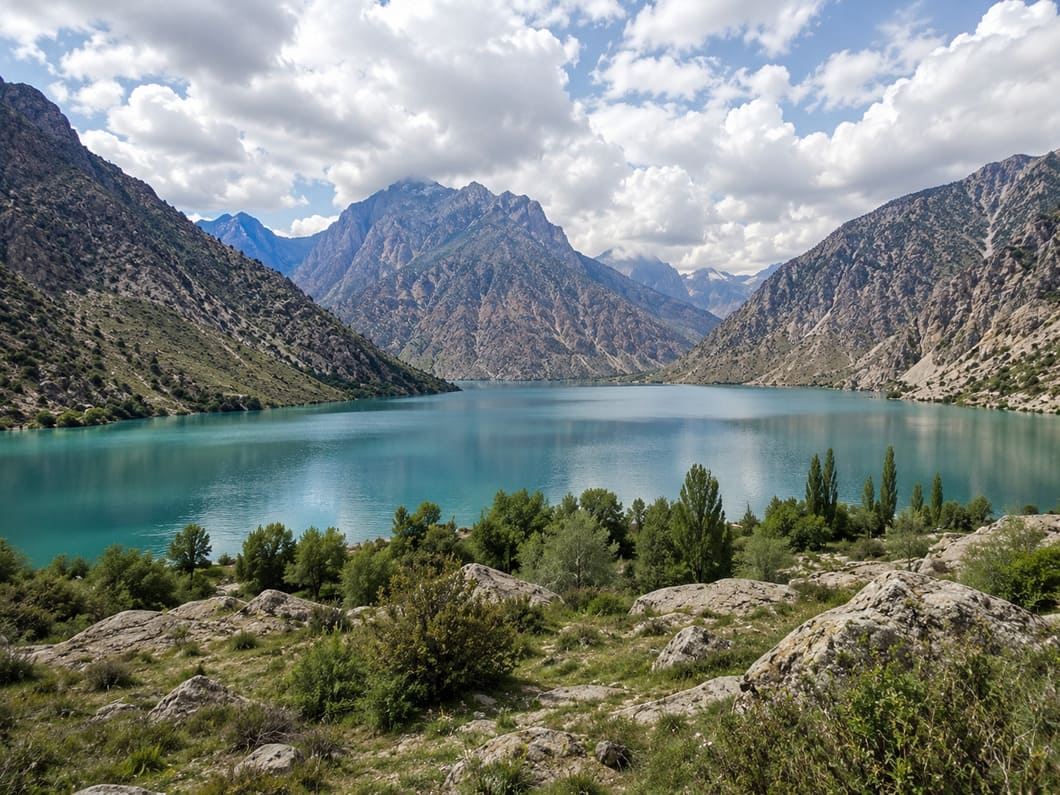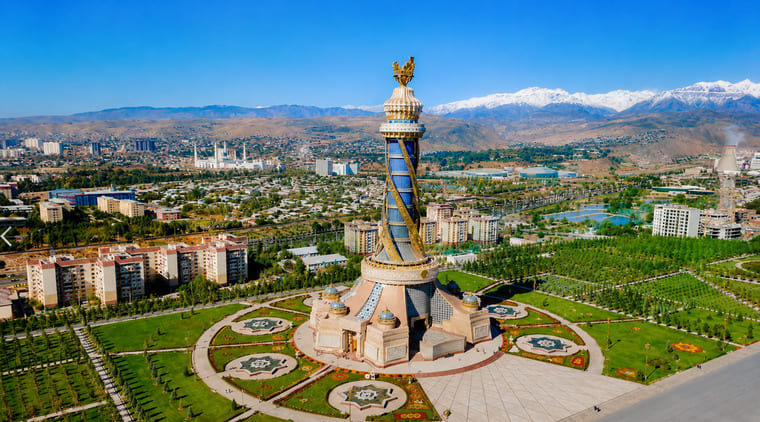
The road from Panjakent winds south into the Shing Valley, and before long, the landscape begins to reveal why people make the journey. Around one bend, a dark green lake lies in the shadow of towering cliffs. A few kilometres further on, another appears, its water an entirely different shade. Then comes a third, a fourth, and by the sixth, you begin to wonder how a single valley can hold so many colours, from bright turquoise to emerald green so deep it looks almost black.
The Seven Lakes of Tajikistan are known locally as Haft Kul (also spelled Haftkul) and are often referred to as the Marguzor Lakes. They lie in the western Fann Mountains, in the Panjakent district of Sughd Region, forming a chain along the Shing River. This is one of the more accessible mountain destinations in the country: six of the seven lakes can be reached by road, without specialist trekking equipment or a demanding mountain expedition. A day trip to the Seven Lakes from Panjakent is therefore entirely manageable. Even so, many travellers leave wishing they had spent a night in the valley. If you are still planning your itinerary, browsing our Tajikistan tours is a useful starting point before deciding how much time to spend at Haft Kul.

The Seven Lakes of Tajikistan, One by One
The lakes form a chain along the Shing River, each sitting higher than the last. Shing is the name of both the river and a village near the entrance to the valley, so the name is often used to refer to the entire area. Each lake has its own Tajik name, and many of these names describe the lake surprisingly well.
- Mijgon (“eyelashes”) — the first and smallest lake, narrow and dark green, stretching alongside the road. It offers an early glimpse of the scenery ahead.
- Soya (“shadow”) — enclosed by steep slopes, the lake receives relatively little direct sunlight, giving its water a deep, cool appearance.
- Hushyor (“watchful”) — tucked below the road and easy to overlook unless your driver slows down. The colour of the water is particularly striking when viewed from above.
- Nofin (“navel”) — at around 2,139 metres above sea level, this is one of the longer, more open lakes, with turquoise water on sunny days. The nearby village of Padrud has family-run guesthouses where many travellers choose to stay overnight.
- Khurdak (“little one”) — a small, peaceful lake between its larger neighbours, with reeds growing along parts of the shore.
- Marguzor — the sixth lake and the last one reached on the usual driving route. Its broad expanse of deep blue water is bordered by a village of the same name. The walking route to the final lake begins here.
- Hazorchashma (“a thousand springs”) — at around 2,400 metres, the seventh and highest lake. Fed by springs, it has clear water that changes colour as the light shifts throughout the day.
Why do neighbouring lakes look so different? Depth, minerals and fine sediment all play a part, but light matters most. The same lake can look quite different in the morning and evening, while cloudy skies give the water more muted tones. The advice our guides give most often is simple: if you have a choice, come on a clear day and take your time.
How to Get to the Seven Lakes
Most journeys to the Seven Lakes go through Panjakent, also known as Penjikent. As the nearest town, it makes a convenient base, with hotels, teahouses, traditional plov and the ancient settlement of Sarazm just a twenty-minute drive away.
| Route | Distance and time | Road and transport | Travel tip |
|---|---|---|---|
| Dushanbe → Panjakent | Around 220 km, 5–6 hours | Paved road through the Varzob Gorge and Anzob Tunnel, then west along the Zeravshan Valley | Stay overnight in Panjakent rather than continuing to the lakes the same day |
| Samarkand → Panjakent | Around 60 km, plus time for border formalities | Road via the Uzbekistan–Tajikistan border crossing | Check the border crossing’s opening hours and entry requirements before travelling |
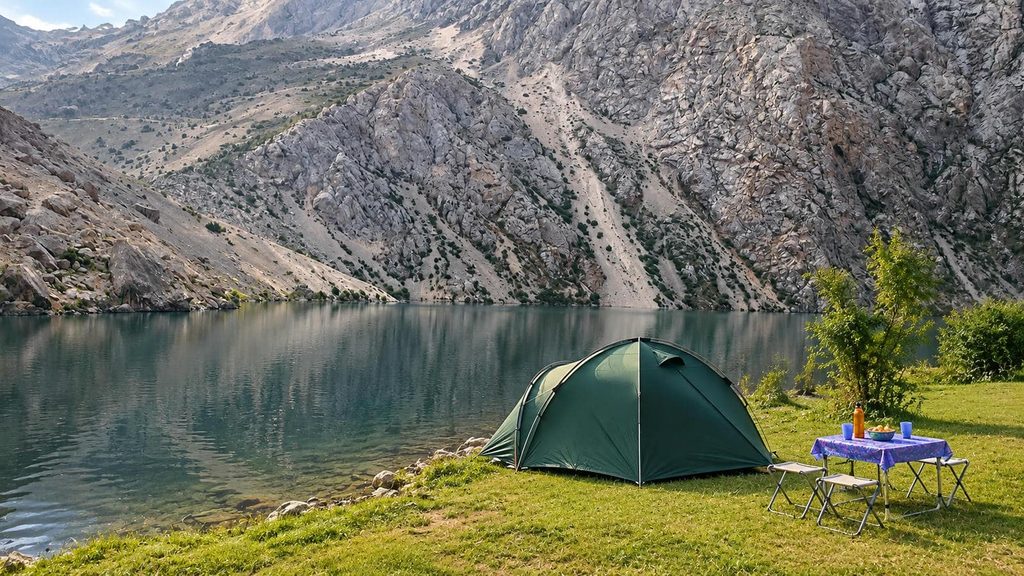
| Panjakent → Lake Marguzor | Roughly 2 hours, excluding stops | Narrow mountain road via Shing village, with unpaved stretches and steep sections; a 4×4 is recommended | There is no regular public transport to the upper lakes, so arrange a transfer with a local driver |
| Lake Marguzor → Hazorchashma | Roughly 1 hour each way on foot | Mountain path with a moderate ascent | Wear suitable walking shoes |
The drive from Dushanbe is scenic in its own right, with views of the Fann Mountains well before you reach Panjakent. Visiting the Seven Lakes on a day trip from Samarkand is possible, but the border crossing and the journey up the mountain valley make for a long day. Spending a night in Panjakent allows for a much more relaxed itinerary.
For the journey beyond Panjakent, a 4×4 with an experienced local driver is the most practical option. Most visitors arrange a private transfer, allowing them to travel comfortably and stop at the best viewpoints along the way.
How Much Time Do You Need at the Seven Lakes?
It depends on whether you simply want to see all seven lakes or would prefer to spend more time exploring the valley.
A Day Trip from Panjakent
This is the most popular option. Leave early, stop at each lake, walk from Marguzor to Hazorchashma, enjoy lunch by the water and return to Panjakent in the evening.
It makes for a full but manageable day, particularly if you have an experienced driver and the road conditions are good. This option suits travellers with limited time who are visiting the Seven Lakes as part of a wider Tajikistan itinerary.
An Overnight Stay
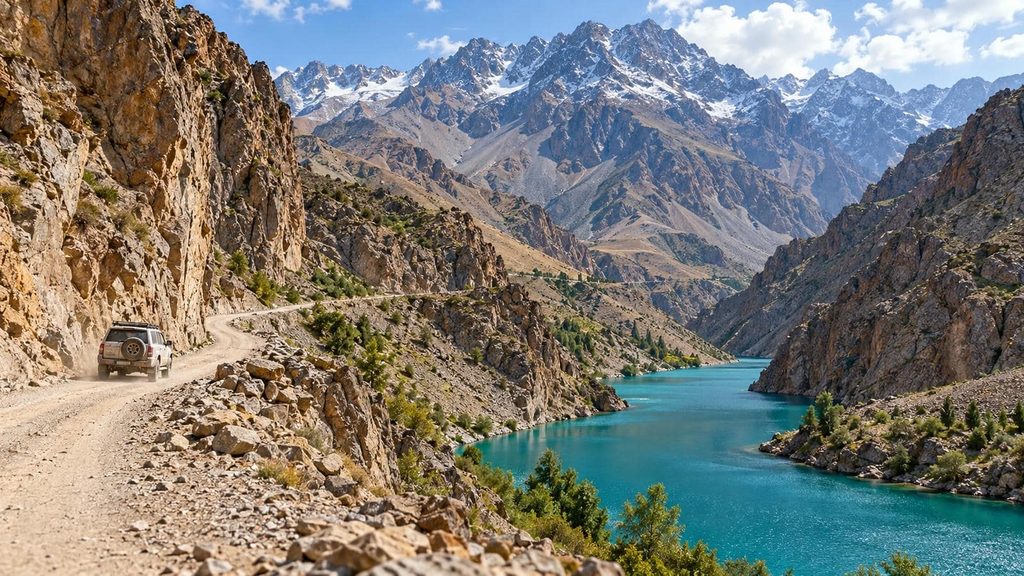
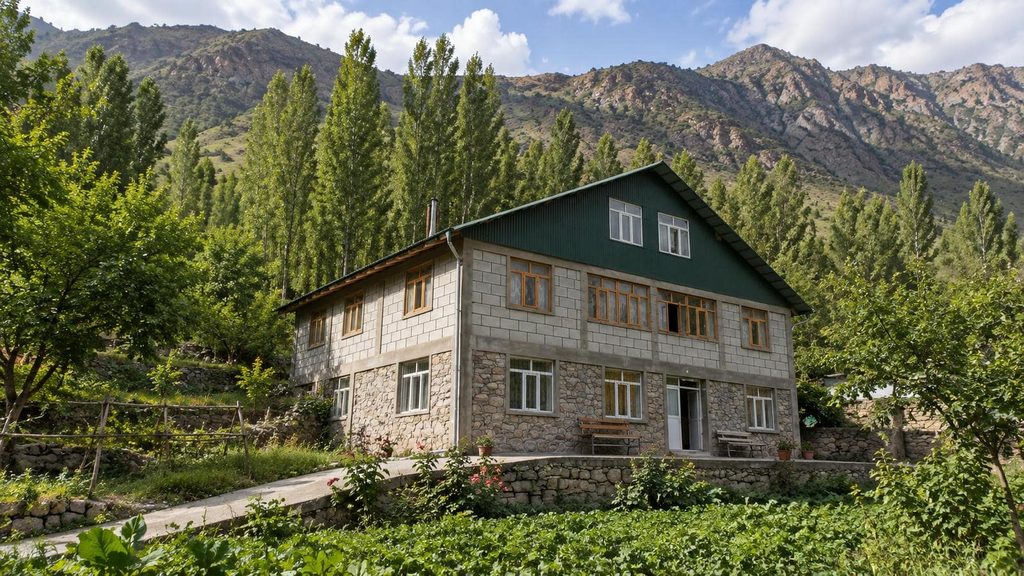
Spending a night in a guesthouse or family home near Nofin or Marguzor offers a different experience. Once the day-trippers have left, the valley becomes quieter, and the changing evening and morning light brings out new colours in the lakes.
Facilities are basic, but the welcome is warm. Expect home-cooked meals, plenty of tea and the chance to talk with your hosts about life in the mountains. An overnight stay is a good choice for photographers and anyone who would rather see the mountains up close than through a car window.
Two or Three Days of Trekking
A longer trek allows you to explore the valley on foot, moving from the lower lakes towards the upper ones. Beyond Hazorchashma, more demanding routes lead higher into the Fann Mountains towards remote passes and mountain scenery.
These routes require more preparation than a standard day trip. Depending on the itinerary, you can stay in villages or camp along the way. They are best suited to travellers who want to spend several days hiking in the mountains.
The Seven Lakes are often included in a longer itinerary alongside Panjakent, Sarazm and Iskanderkul. For example, our 8-day Grand Tajikistan Tour includes a full day exploring the lakes from Panjakent, with a return to town in the evening.
For more ideas on what to see in this part of the country, including Iskanderkul and the Alauddin Lakes, take a look at our Fann Mountains guide.
Best Time to Visit the Seven Lakes
The main visiting season runs from late spring to mid-autumn. In May and early June, the slopes are green and the rivers carry plenty of water from melting snow. However, heavy rain and high water levels can affect the condition of the road, especially further up the valley.
July and August generally offer more settled weather and better road conditions, making them popular months for visiting. On clear days, the lakes display some of their most vivid colours.
September and early October are also excellent times to go. There are fewer visitors, the air is cooler, and the poplars along the lakeshores begin turning yellow and gold, adding autumn colours to the mountain scenery.
In winter and early spring, reaching the upper lakes becomes more difficult, as snow and poor road conditions can restrict access. For a broader overview of seasonal travel conditions, read our guide on when to visit Tajikistan.
Before You Go
- No GBAO permit is needed. The Marguzor Lakes are in the Sughd region, outside the Pamirs, so the separate permit required for the Pamir Highway does not apply here.
- Get cash in Panjakent. There are no ATMs or card terminals in the valley, and guesthouses, meals and small purchases are paid in cash.
- Mobile coverage is patchy. You may have signal near the lower lakes, but it often drops higher up. Download offline maps in advance.
- Dress in layers. Summer days can be hot, but evenings by the upper lakes cool down fast. Sunscreen and sunglasses are needed even on a cool day.
You can see the Seven Lakes in a day, but it pays to leave some room in your schedule: at least one night in the valley, or a place in a wider route with Panjakent, Sarazm and Iskanderkul. Sayohat Travel is a local operator with two offices in Dushanbe. We will help you choose the right format, arrange transport and find a guide who knows this valley well.